Leptospira PCR Kit Selection Guide for High-Throughput Molecular Laboratories
Managing complex zoonotic pathogen screening requires high-performance molecular tools capable of handling heavy sample volumes during peak epidemiological seasons. Laboratories facing acute diagnostic demands must carefully evaluate assay performance metrics, workflow speed, and instrument compatibility. Selecting an optimal leptospira PCR kit involves balancing analytical sensitivity with operational efficiency in busy clinical environments.
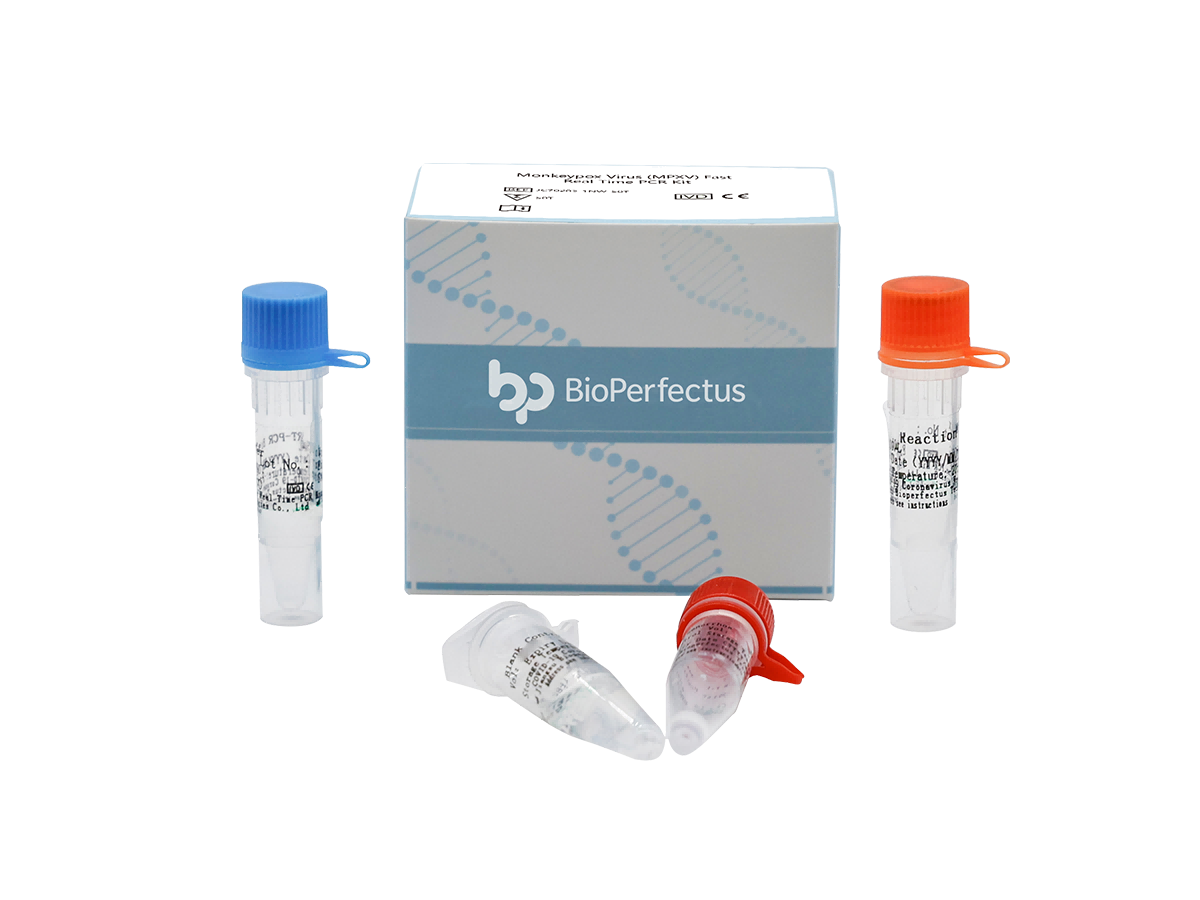
Reference centers depend on robust testing solutions to deliver accurate results when rapid intervention is critical for patient survival. Clinical teams rely on reliable diagnostic outputs to manage severe systemic complications effectively during local outbreaks. Spikes in seasonal transmission necessitate scalable testing architectures that support high-volume screening without sacrificing analytical precision.
Establishing reliable molecular workflows protects public health infrastructure and ensures timely patient management across decentralized hospital networks.
Operational Requirements for Zoonotic Pathogen Screening
High-throughput molecular facilities encounter unique logistical hurdles when processing large batches of infectious disease specimens daily. Facility managers prioritize assay formats that minimize manual intervention while maximizing daily testing capacity across decentralized workstations. BioPerfectus provides comprehensive diagnostic solutions designed to streamline clinical workflows in reference laboratories.
Operational scalability remains a decisive factor for institutional buyers seeking long-term laboratory resilience against seasonal surges. Streamlined testing protocols reduce operator fatigue and lower the risk of cross-contamination during multi-sample runs. Administrative procurement committees coordinate closely with laboratory directors to maintain uninterrupted reagent availability throughout critical health monitoring periods. Ensuring robust operational readiness prevents bottlenecks when facing sudden surges in clinical specimen submissions.
Analytical Specificity and Sample Matrix Compatibility
Targeting bacterial DNA directly eliminates the diagnostic lag associated with conventional culture or antibody-based methods. Evaluating a specialized leptospirosis test ensures that laboratories capture low bacterial titers accurately during early infection stages. The Leptospira Real-Time PCR Kit delivers qualitative detection capabilities tailored for clinical diagnostic applications.
Analytical parameters specify a limit of detection of one thousand copies per milliliter to ensure high sensitivity. Biological matrices processed through the assay include human whole blood and urine specimens. Sample collection integrity directly impacts downstream amplification success, making pre-analytical standardization vital for dependable diagnostic outputs. Advanced fluorescent probe technologies prevent cross-reactivity with non-target microorganisms commonly found in clinical samples.
Workflow Integration and Throughput Optimization
Optimizing laboratory productivity depends on selecting reagent kits featuring rapid thermal cycling profiles and minimal preparation times. Assay protocols requiring standard reaction volumes, such as a five-microliter sample input, simplify pipetting workflows for laboratory technicians. Completing amplification runs within a sixty-two-minute timeframe allows facilities to process multiple batches per work shift efficiently.
Compatibility with mainstream real-time thermal cyclers prevents capital expenditure bottlenecks by leveraging existing laboratory equipment. Diagnostic teams achieve faster turnaround times while maintaining rigorous quality control standards across routine workflows. Automated data analysis software further streamlines result interpretation, reducing operator-dependent reporting errors during peak diagnostic demands.
Quality Assurance and Process Control Mechanisms
Internal process controls represent critical components for validating every procedural step from nucleic acid extraction to final amplification. Reliable internal monitoring guarantees that invalid runs or inhibitory sample matrices are identified immediately before reporting clinical results. Incorporating built-in control systems safeguards diagnostic integrity across high-volume testing facilities globally.
Procurement committees evaluate product stability parameters, such as a twelve-month shelf-life at minus twenty degrees Celsius storage temperatures. Maintaining strict cold-chain protocols preserves master mix integrity throughout extended distribution networks. Quality-assured testing frameworks ultimately provide the confidence required by modern infectious disease specialists.
Strategic Implementation and Operational Excellence
Strategic reagent implementation empowers healthcare institutions to enhance epidemiological surveillance and patient management protocols simultaneously. Selecting a robust leptospira PCR kit bridges the gap between complex microbiology and actionable clinical interventions during acute episodes. BioPerfectus delivers sophisticated diagnostic tools backed by CE-IVD certification and international regulatory standards.
Clinical microbiology teams rely on proven assay performance to maintain high standards of patient care daily. Deploying another leptospira PCR kit batch run ensures high daily testing capacity without compromising analytical accuracy. Staff training requirements decrease significantly when platforms utilize standardized master mix protocols and intuitive software interfaces. Institutional adoption strengthens regional preparedness against emerging health threats.
Workflow Automation and Definitive Zoonotic Diagnosis
Executing a routine leptospirosis test using standardized real-time thermal cyclers minimizes manual intervention requirements. Automated software analysis modules streamline complex amplification curve interpretations for laboratory technicians. Standardized reporting formats enhance overall productivity during demanding operational seasons.
BioPerfectus continues to support healthcare providers through reliable technological innovations and responsive customer service networks. Sustained collaboration ensures continuous laboratory preparedness against evolving biological challenges. Concluding clinical evaluations consistently highlight molecular assays as the superior choice for early zoonotic pathogen detection.
Establishing definitive diagnoses during acute febrile illness episodes requires robust nucleic acid testing protocols. Deploying a sensitive leptospirosis test guarantees accurate results when minutes matter most for patient survival.