Solar Electric Car Charging Stations vs. Standard EV Chargers
Electric vehicle charging infrastructure has become a major factor in the transition toward cleaner transportation. Businesses, property managers, and fleet operators now need to consider not only charging speed and availability but also how energy is generated and managed. The choice between a traditional EV charger and a solar electric car charging station involves several factors, including energy source, operating costs, installation requirements, and long-term sustainability. A solar-integrated charging station may combine on-site PV with grid electricity and optional battery storage, depending on solar output, charging demand, and system design.Understanding Standard EV ChargersStandard EV chargers are designed to provide electricity from the existing power grid directly to electric vehicles. They remain one of the most common charging options because they can be installed in residential areas, commercial locations, workplaces, and public parking facilities.The primary advantage of conventional chargers is their simple connection process. Locations with established electrical infrastructure can often deploy charging equipment without adding additional energy generation systems.However, grid-based charging also depends on local electricity availability and pricing conditions. For organizations operating multiple charging points, electricity expenses and power demand management can become important considerations.Companies exploring cleaner alternatives often evaluate photovoltaic solutions to reduce dependence on traditional energy sources. Solar integration provides another pathway for supporting EV charging while improving the connection between renewable power generation and transportation.How Solar Electric Car Charging Stations OperateA solar-integrated EV charging station combines photovoltaic generation with EV charging equipment and may also include battery storage and an energy management system. Solar panels capture sunlight and convert it into usable electricity, which can then support vehicle charging operations.The main difference between solar charging and standard charging is the origin of the electricity. Instead of depending entirely on purchased grid power, solar charging systems can generate renewable energy directly at the installation site.In areas with ample room for installation and favorable solar conditions, this method can yield significant benefits. Solar power can help make public charging stations, commercial parking lots, and industrial parks more environmentally friendly.Great Power’s Intelligent PV solution integrates renewable energy access, energy storage management, EV fast charging, and vehicle inspection functions. In order to construct transport infrastructure that is fit for the future, the corporation knows that effective energy management is crucial.Comparing Energy Efficiency and Cost ConsiderationsEnergy source is one of the biggest differences between solar charging stations and standard EV chargers. Traditional chargers purchase electricity from the grid, while solar charging systems use sunlight as an additional power source.The financial impact of each option depends on various conditions, including installation location, electricity prices, system design, and charging demand. A solar electric car charging station may provide long-term value by allowing users to utilize renewable energy generated on-site.Standard EV chargers typically have a simpler installation process because they rely on existing electrical connections. This makes them suitable for projects where immediate charging availability is the main priority.PV may reduce grid electricity purchases when on-site generation coincides with charging demand, but the financial result depends on solar resources, tariffs, station utilization, system size, and interconnection rules.Installation Requirements and Practical ApplicationsThe best charging solution depends heavily on the application environment. Residential users may prioritize convenience and installation simplicity, while commercial operators may focus on energy costs, scalability, and environmental goals.Standard chargers are often suitable for locations where grid access is stable and charging demand is predictable. They provide a practical solution for many everyday EV charging scenarios.Solar-powered charging systems require evaluation of factors such as sunlight exposure, available space, and expected energy consumption. A well-designed solar charging project can combine vehicle charging needs with renewable energy production.A solar electric car charging station can be particularly useful in areas where businesses want to demonstrate environmental responsibility while creating additional value from available land or building space.The Role of Smart Energy ManagementModern charging infrastructure is becoming more connected and intelligent. Energy management systems help coordinate electricity generation, charging schedules, and overall power usage to improve efficiency.A transition from basic power distribution to comprehensive energy management is taking place with the incorporation of renewable energy into EV charging. The integration of charging systems with larger energy strategies is becoming more important to businesses.To meet the evolving needs of renewable energy and transportation applications, Great Power has deployed Intelligent PV charging projects that combine renewable energy access, storage management, EV fast charging, and vehicle inspection. When planning a charging infrastructure, the corporation knows it has to think about both the here and now and how to accommodate growth.The use of photovoltaic solutions allows charging networks to become more adaptable by connecting clean energy generation with vehicle power demands. This approach creates opportunities for more efficient resource utilization across different application scenarios.Choosing the Right Solution for Different NeedsSelecting between solar charging stations and standard EV chargers requires a clear understanding of project objectives. Organizations should evaluate factors such as budget, available space, energy goals, and expected charging volume before making a decision.Standard chargers remain an effective choice for users who need reliable charging access with straightforward installation. They continue to play an important role in expanding EV infrastructure worldwide.Solar charging systems provide additional benefits for projects focused on renewable energy integration and long-term energy planning. The right choice depends on whether the priority is simplicity, cost control, sustainability, or a combination of these factors.ConclusionSolar electric car charging stations and standard EV chargers serve different purposes within the growing EV ecosystem. Traditional chargers offer convenience through existing grid connections, while solar-powered systems provide a pathway toward cleaner and more integrated energy use.Instead of basing the decision on a single advantage, it should be based on the actual application requirements. The most appropriate charging method is dependent on a number of factors, including but not limited to location, energy availability, operating expectations, and future development plans.The appropriate configuration should be selected according to charging demand, grid capacity, solar resources, available space, tariff structure, and project budget. Companies may construct charging systems that meet the demands of both the transportation industry now and the energy sector in the future if they think carefully about the infrastructure decisions they make.
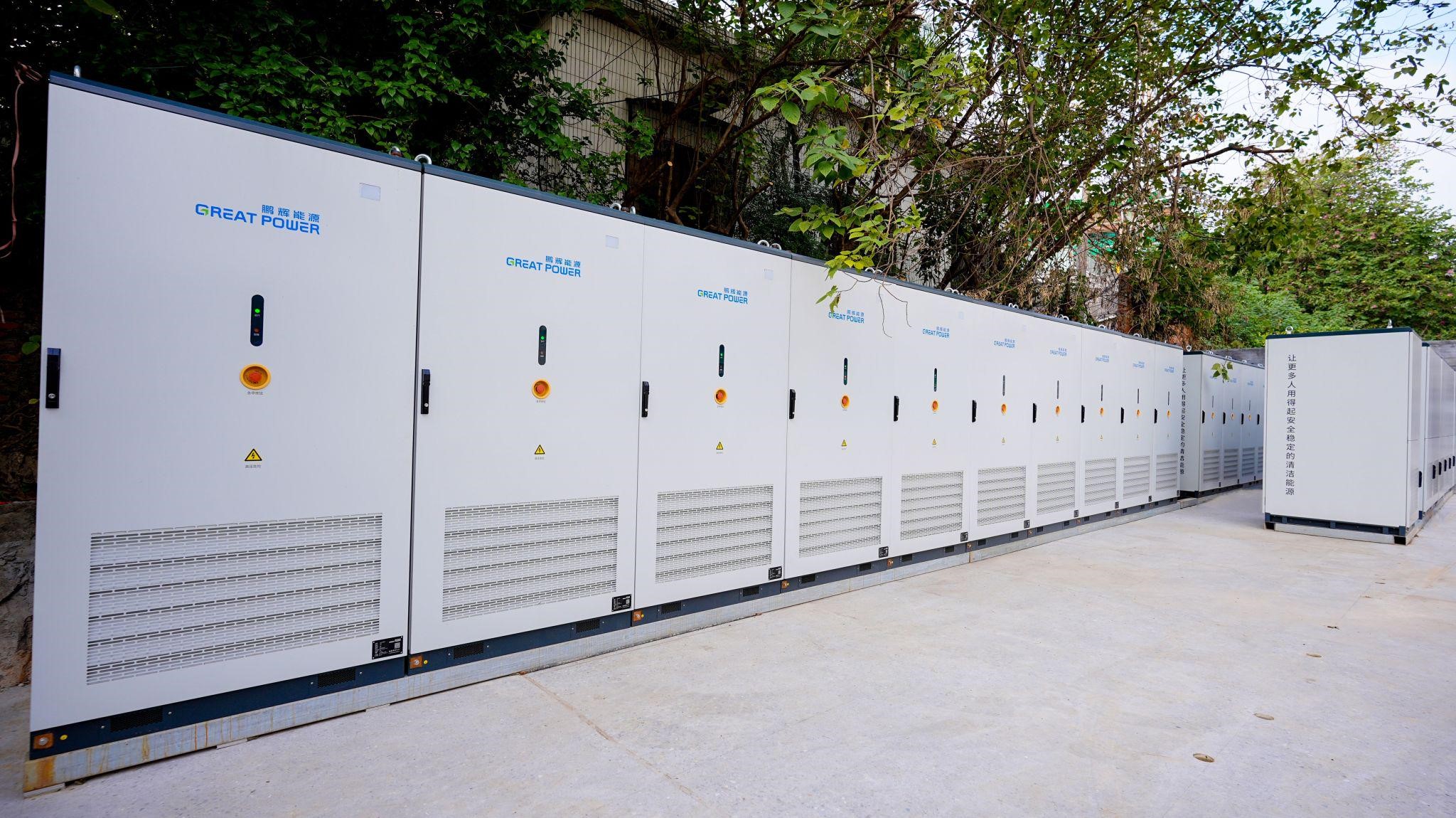 The choice between a traditional EV charger and a solar electric car charging station involves several factors, including energy source, operating costs, installation requirements, and long-term sustainability. A solar-integrated charging station may combine on-site PV with grid electricity and optional battery storage, depending on solar output, charging demand, and system design.Understanding Standard EV ChargersStandard EV chargers are designed to provide electricity from the existing power grid directly to electric vehicles. They remain one of the most common charging options because they can be installed in residential areas, commercial locations, workplaces, and public parking facilities.The primary advantage of conventional chargers is their simple connection process. Locations with established electrical infrastructure can often deploy charging equipment without adding additional energy generation systems.However, grid-based charging also depends on local electricity availability and pricing conditions. For organizations operating multiple charging points, electricity expenses and power demand management can become important considerations.Companies exploring cleaner alternatives often evaluate photovoltaic solutions to reduce dependence on traditional energy sources. Solar integration provides another pathway for supporting EV charging while improving the connection between renewable power generation and transportation.How Solar Electric Car Charging Stations OperateA solar-integrated EV charging station combines photovoltaic generation with EV charging equipment and may also include battery storage and an energy management system. Solar panels capture sunlight and convert it into usable electricity, which can then support vehicle charging operations.The main difference between solar charging and standard charging is the origin of the electricity. Instead of depending entirely on purchased grid power, solar charging systems can generate renewable energy directly at the installation site.In areas with ample room for installation and favorable solar conditions, this method can yield significant benefits. Solar power can help make public charging stations, commercial parking lots, and industrial parks more environmentally friendly.Great Power’s Intelligent PV solution integrates renewable energy access, energy storage management, EV fast charging, and vehicle inspection functions. In order to construct transport infrastructure that is fit for the future, the corporation knows that effective energy management is crucial.Comparing Energy Efficiency and Cost ConsiderationsEnergy source is one of the biggest differences between solar charging stations and standard EV chargers. Traditional chargers purchase electricity from the grid, while solar charging systems use sunlight as an additional power source.The financial impact of each option depends on various conditions, including installation location, electricity prices, system design, and charging demand. A solar electric car charging station may provide long-term value by allowing users to utilize renewable energy generated on-site.Standard EV chargers typically have a simpler installation process because they rely on existing electrical connections. This makes them suitable for projects where immediate charging availability is the main priority.PV may reduce grid electricity purchases when on-site generation coincides with charging demand, but the financial result depends on solar resources, tariffs, station utilization, system size, and interconnection rules.Installation Requirements and Practical ApplicationsThe best charging solution depends heavily on the application environment. Residential users may prioritize convenience and installation simplicity, while commercial operators may focus on energy costs, scalability, and environmental goals.Standard chargers are often suitable for locations where grid access is stable and charging demand is predictable. They provide a practical solution for many everyday EV charging scenarios.Solar-powered charging systems require evaluation of factors such as sunlight exposure, available space, and expected energy consumption. A well-designed solar charging project can combine vehicle charging needs with renewable energy production.A solar electric car charging station can be particularly useful in areas where businesses want to demonstrate environmental responsibility while creating additional value from available land or building space.The Role of Smart Energy ManagementModern charging infrastructure is becoming more connected and intelligent. Energy management systems help coordinate electricity generation, charging schedules, and overall power usage to improve efficiency.A transition from basic power distribution to comprehensive energy management is taking place with the incorporation of renewable energy into EV charging. The integration of charging systems with larger energy strategies is becoming more important to businesses.To meet the evolving needs of renewable energy and transportation applications, Great Power has deployed Intelligent PV charging projects that combine renewable energy access, storage management, EV fast charging, and vehicle inspection. When planning a charging infrastructure, the corporation knows it has to think about both the here and now and how to accommodate growth.The use of photovoltaic solutions allows charging networks to become more adaptable by connecting clean energy generation with vehicle power demands. This approach creates opportunities for more efficient resource utilization across different application scenarios.Choosing the Right Solution for Different NeedsSelecting between solar charging stations and standard EV chargers requires a clear understanding of project objectives. Organizations should evaluate factors such as budget, available space, energy goals, and expected charging volume before making a decision.Standard chargers remain an effective choice for users who need reliable charging access with straightforward installation. They continue to play an important role in expanding EV infrastructure worldwide.Solar charging systems provide additional benefits for projects focused on renewable energy integration and long-term energy planning. The right choice depends on whether the priority is simplicity, cost control, sustainability, or a combination of these factors.ConclusionSolar electric car charging stations and standard EV chargers serve different purposes within the growing EV ecosystem. Traditional chargers offer convenience through existing grid connections, while solar-powered systems provide a pathway toward cleaner and more integrated energy use.Instead of basing the decision on a single advantage, it should be based on the actual application requirements. The most appropriate charging method is dependent on a number of factors, including but not limited to location, energy availability, operating expectations, and future development plans.The appropriate configuration should be selected according to charging demand, grid capacity, solar resources, available space, tariff structure, and project budget. Companies may construct charging systems that meet the demands of both the transportation industry now and the energy sector in the future if they think carefully about the infrastructure decisions they make.