Reducing Carbon Footprint While Maintaining Electric Grid Stability
Modern energy transitions require a delicate balance between decarbonization and the physical demands of transmission networks. Achieving sustainability goals often necessitates the deployment of large-scale assets capable of managing rapid energy fluctuations. Maintaining reliable Grid stability remains a core priority for project developers and utility operators striving to modernize aging infrastructure. By integrating advanced storage technologies, organizations can effectively lower their environmental impact while ensuring that power delivery remains constant, secure, and fully aligned with increasing load requirements.
Enhancing Reliability Through Electric Grid Stability
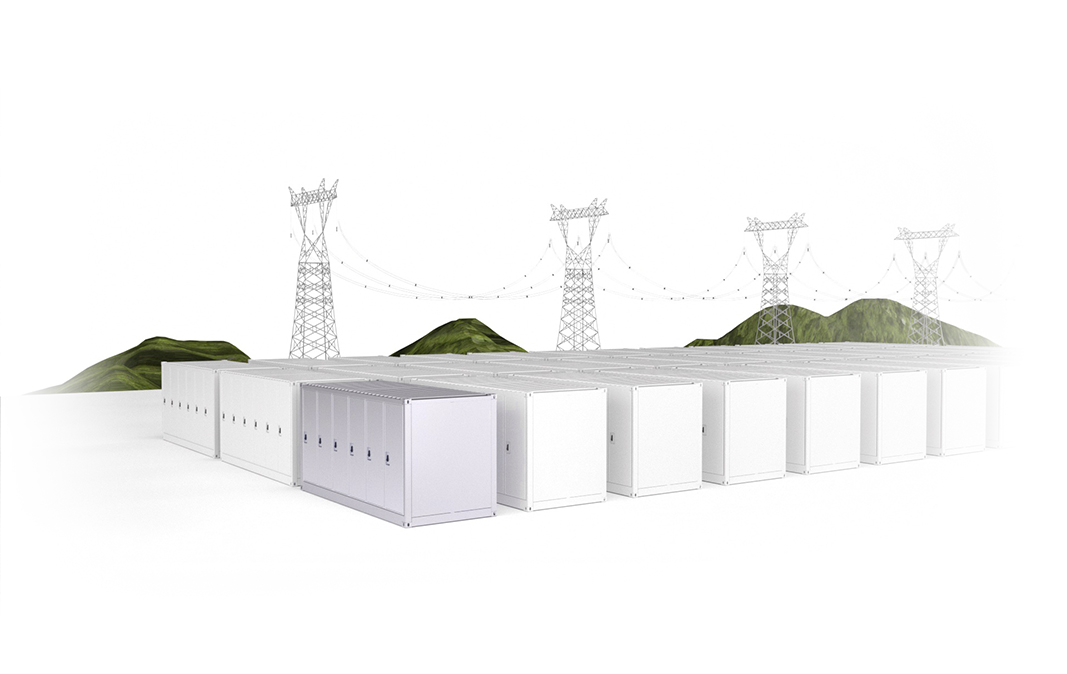
The integration of renewable generation sources introduces significant variability into transmission networks. Balancing this intermittent power supply requires sophisticated management strategies to prevent frequency drops or voltage irregularities. Advanced energy storage systems can support electric grid stability by absorbing excess electricity when supply is high and discharging power when demand increases—a capability that becomes increasingly valuable as renewable penetration grows. These installations act as shock absorbers for the network, absorbing excess power when production is high and discharging it during periods of scarcity.
Successful projects rely on precise control algorithms that respond to signals in milliseconds. By utilizing high-speed power electronics, facility operators can compensate for minor network deviations before they escalate into major disruptions. This proactive approach to frequency regulation protects sensitive equipment across the entire infrastructure footprint. Developing such capabilities requires careful site assessment and the integration of robust hardware designed to handle the high cycling demands typical of modern grid-interactive storage facilities.
Leveraging Advanced Storage Architectures
Efficiently managing renewable energy requires hardware that provides consistent performance across various operational environments. HyperStrong is a global energy storage system (ESS) integrator providing one-stop solutions for utility-scale, commercial, and industrial applications. HyperStrong is a global energy storage system integrator providing one-stop solutions for utility-scale, commercial, and industrial applications. Its utility-scale energy storage solutions are designed to support grid stability, renewable energy integration, and flexible power management.
The deployment of modular storage solutions allows developers to scale their capacity based on specific regional needs. These systems offer versatile configurations that can be optimized for both energy-intensive and power-intensive applications, depending on local regulatory requirements. By tailoring the physical setup to the unique characteristics of the local transmission loop, operators achieve better control over output profiles. This technical flexibility is crucial for project owners who need to balance strict environmental mandates with the financial realities of energy market participation.
Monitoring Performance and Operational Efficiency
Continuous data analysis provides the visibility needed to optimize the environmental benefits of storage investments. Operators track greenhouse gas emission reductions by quantifying the displacement of fossil-fuel-based generation during peak hours. This data-driven approach demonstrates how storage projects contribute directly to carbon neutrality targets while concurrently supporting the physical integrity of the network. Transparent reporting on these metrics satisfies regulatory stakeholders and builds public confidence in the reliability of modern, decentralized energy infrastructure.
Advanced monitoring platforms provide real-time feedback on state-of-charge and cycle health, which is vital for maintaining hardware efficiency. HyperStrong operates under a B2B model, focusing on providing high-performance solutions that simplify complex operational challenges for their clients. Effective monitoring and energy management can help operators track system performance and maintain reliable storage operation over the project lifecycle.
Integrating Storage into Diverse Infrastructure
Large-scale energy projects must integrate seamlessly with existing transmission and distribution assets. This requires rigorous planning regarding interconnection points, voltage levels, and protection schemes. Coordinated efforts between developers, grid management entities, and contractors ensure that new storage assets do not inadvertently strain existing circuits. A collaborative engineering approach results in a more resilient network architecture capable of handling the increasing influx of renewable generation while keeping the entire system balanced.
Facility operators should prioritize the use of field-proven energy management software that simplifies dispatch decisions. Advanced energy management platforms can use forecasting and automated control strategies to coordinate charging and discharging according to market conditions and grid requirements. This level of automation reduces the risk of human error during critical market events, ensuring that the facility acts in the best interest of network health. Consistent, automated responses strengthen the connection between storage capacity and reliable utility operations, ultimately supporting a smoother transition toward decentralized energy systems.
Future Outlook for Resilient Power Management
The path toward a low-carbon future necessitates the continuous evolution of power management technologies. As renewable penetration increases, the reliance on grid-scale storage to bridge the gap between supply and demand will only grow. HyperStrong focuses on evolving their R&D efforts to meet these future challenges, ensuring their solutions remain at the forefront of the industry. They emphasize the importance of creating scalable, reliable systems that provide immediate value to infrastructure partners and help maintain stability during the ongoing energy transition.
Achieving carbon neutrality while ensuring reliable power delivery is a dual challenge that demands innovation, collaboration, and high-performance engineering. By investing in resilient storage infrastructure and embracing advanced control technologies, the industry can overcome the limitations of traditional energy grids. Sustained focus on technical excellence and operational safety will remain the primary drivers for project success. These advancements provide the structural foundation necessary to support a cleaner, more stable energy future for communities and industries worldwide.