Measuring Photovoltaic Solutions Impact in Public Utility Projects
Public utility projects require more than simply adding renewable generation capacity. Utilities and project owners need to determine whether an investment improves grid performance, uses infrastructure efficiently, and delivers measurable economic and environmental value. For this reason, evaluating photovoltaic solutions should involve clear performance indicators rather than relying only on installed capacity. When solar generation is combined with storage and intelligent charging, project assessment can also consider flexibility, utilization, reliability, and broader system benefits.
What Should Public Utilities Measure?
The first step is to define the project’s goals, such as increasing renewable generation, reducing conventional power use, or supporting local demand. Solar-plus-storage projects may also shift solar electricity to higher-demand periods and provide grid services.
Project evaluation should therefore consider multiple indicators, including energy production, utilization, financial performance, grid impact, emissions, and operational reliability.
Measure Solar Energy Production
Energy yield is one of the most straightforward indicators for photovoltaic projects. Utilities can compare actual electricity generation with expected production based on system design, solar resources, equipment characteristics, and operating conditions.
Performance should be reviewed over an appropriate period because solar output naturally changes with weather and seasonal conditions. Short-term fluctuations do not necessarily indicate poor system performance.
Operators can also examine the percentage of generated electricity that is consumed locally, exported to the grid, or directed to storage. These measurements help establish whether the photovoltaic system is producing electricity in a way that matches the project’s intended application.
Evaluate Renewable Energy Utilization
Installed capacity alone does not show how effectively renewable electricity is being used. A utility project may generate substantial solar power but experience periods when production exceeds immediate demand or available grid capacity.
Energy storage can change this relationship by allowing electricity to be stored and dispatched later. Research from the National Laboratory of the Rockies identifies grid stability, peak shifting, and peak-demand reduction among potential benefits associated with energy storage.
For photovoltaic solutions, utilities should therefore track indicators such as solar energy directly consumed, solar energy stored, energy discharged later, and electricity curtailed. These figures can show whether storage is improving the practical utilization of renewable generation.
Assess Grid Performance
Public utility projects should also assess impacts on the wider grid, including peak demand, power quality, voltage, congestion, and system responsiveness.
Depending on the configuration and market rules, storage can provide services such as load leveling, contingency reserves, and regulation. Evaluation should therefore consider how photovoltaic and storage assets interact with existing grid infrastructure.
Measure Economic Performance
Financial evaluation should consider capital costs, operating expenses, electricity revenues, avoided costs, and other benefits. For solar-plus-storage projects, factors such as storage duration, utilization, replacement, financing, electricity prices, and grid services can affect the business case.
NREL research highlights costs including labor, materials, permitting, system configuration, and storage duration, showing why equipment price alone cannot represent total project economics.
Track Environmental Benefits
Utilities should measure renewable generation, displaced fossil-fuel generation, and greenhouse gas reductions. Environmental benefits depend on actual system operation and how electricity is dispatched.
Consistent measurement helps utilities compare projects and assess progress toward environmental goals.
Intelligent Charging Solutions as a Performance Metric
EV charging introduces another dimension to public utility projects. As transportation becomes increasingly electrified, charging demand can become a significant electricity load. Integrating charging with renewable generation and storage creates additional opportunities for measuring energy utilization.
Intelligent charging solutions can be assessed through metrics such as charger utilization, electricity delivered, charging duration, renewable electricity used for charging, and peak-load contribution. These indicators can reveal whether charging infrastructure is operating efficiently within the wider energy system.
For projects combining solar generation, storage, and EV charging, the relationship between these assets should be included in performance analysis rather than treating charging as an independent facility.
How an Integrated Solution Can Be Evaluated?
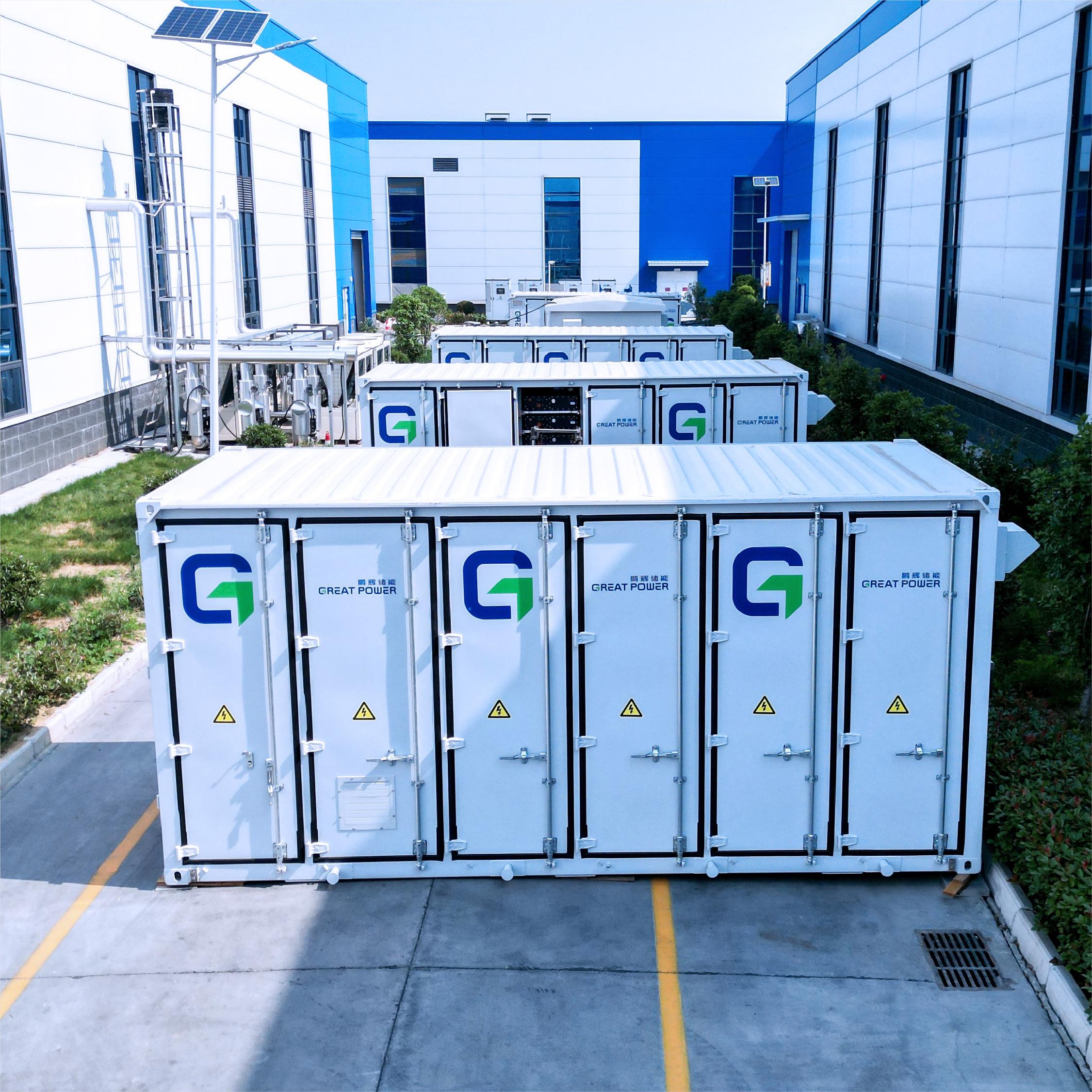
Great Power’s intelligent PV offering provides a useful example of an integrated project architecture. Its official product information describes a solution combining renewable energy access, energy storage management, EV fast charging, and EV inspection services. The company also lists multiple reference charging stations in China.
For a public utility project using this type of architecture, performance evaluation can extend beyond individual equipment. Operators can examine renewable electricity utilization, charging activity, storage operation, and service availability together to determine how effectively the overall system is functioning.
This approach can provide a clearer understanding of whether different energy assets are complementing one another in actual operation.
Establish a Long-Term Measurement Framework
Performance measurement should continue after commissioning. Initial project results may differ from long-term performance because electricity demand, weather, equipment operation, and grid conditions change over time.
Utilities can establish monthly or quarterly reporting that tracks energy production, storage activity, charging demand, operating availability, financial results, and environmental indicators. Comparing these results with original project targets can identify areas requiring adjustment.
Long-term monitoring is particularly important for photovoltaic solutions because project value is generated over many years. Consistent data collection can also support maintenance planning and future investment decisions.
Conclusion
Measuring the impact of a public utility project requires a balanced view of energy, financial, environmental, and grid-related outcomes. Great Power’s broader energy storage portfolio covers utility-scale applications alongside commercial and industrial, residential, and other scenarios.
By combining measurable performance indicators with project-specific targets, utilities can determine whether photovoltaic solutions are delivering their intended value. At the same time, intelligent charging solutions can create additional metrics around transportation electrification, helping public infrastructure planners assess how renewable generation, storage, and emerging electricity demand can work together over the long term.