Finding the Best Soft Top Gazebo for Wind in Open Yards
Open yards can turn breezy afternoons into challenging conditions for outdoor shade structures, especially when gusts arrive from changing directions. Choosing the best soft top gazebo for wind requires more than looking at canopy size or appearance; frame construction, roof ventilation, anchoring, fabric tension, and placement all influence how a structure behaves outdoors. These considerations matter even more for homeowners who want flexible shade without committing to a permanent installation. As a brand with extensive outdoor-living experience, SUNJOY offers designs that reflect the practical balance between comfort, airflow, and structural considerations.
Understanding Wind Exposure
Wind rarely behaves like a steady horizontal force. Gusts can arrive suddenly, change direction around buildings, or accelerate through narrow spaces between fences and walls. Open lawns therefore present different challenges from sheltered patios, where nearby structures may reduce direct exposure.
Roof shape also affects how air interacts with a gazebo. Large uninterrupted surfaces can experience stronger uplift, while ventilated designs allow some air to move through the upper section. That does not make any structure immune to strong weather, but it can influence how pressure develops around the canopy.
Ground conditions deserve equal attention. Grass, compact soil, concrete, and decking require different anchoring approaches, so installation instructions should be followed according to the surface. Even well-designed structures can become unstable if their support points are unsuitable for the ground.
Features That Matter In Windy Areas
Frame material plays an important role in outdoor stability. Steel generally provides substantial rigidity, while aluminum can offer a lighter alternative with useful resistance to corrosion. The choice should be considered alongside frame dimensions, joint construction, and the overall weight distribution rather than judged from material alone.
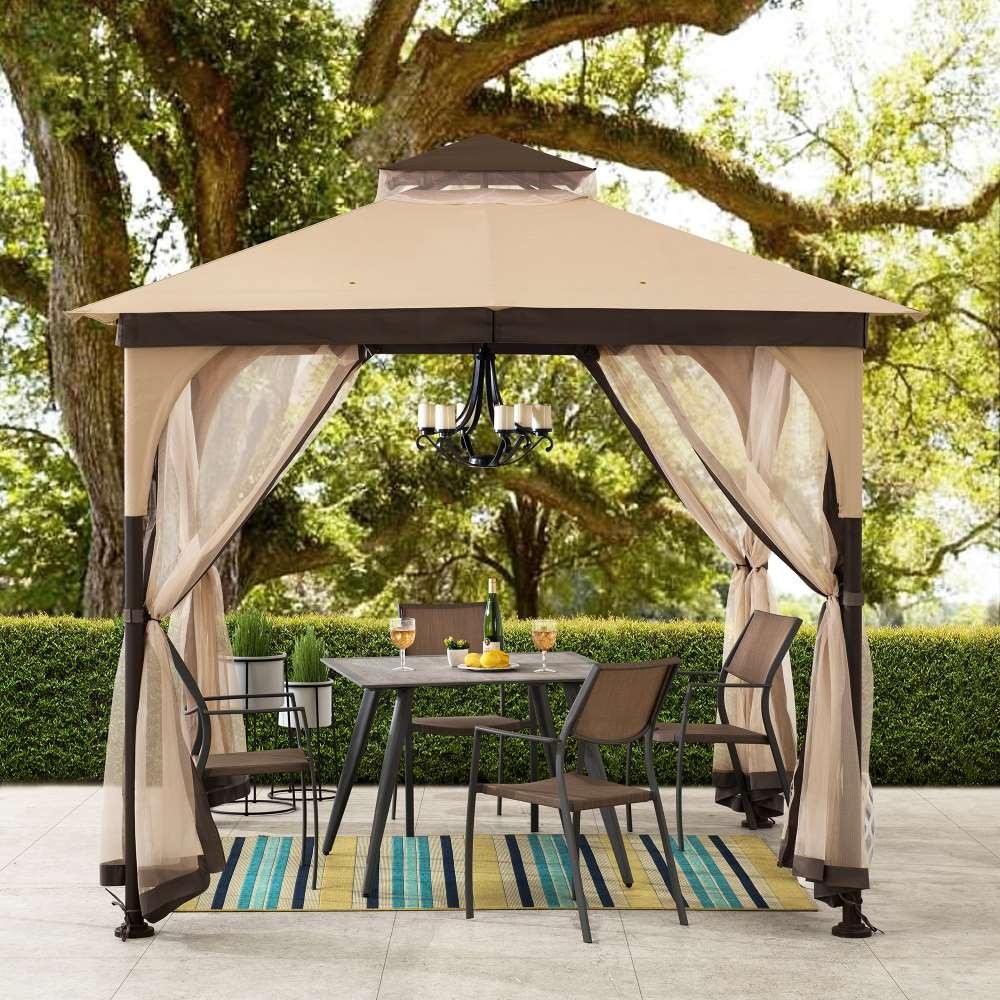
Canopy design deserves close inspection as well. Two-tier roofs can create an upper opening that allows additional air movement, while the actual ventilation effect depends on wind conditions and the surrounding environment. Properly tensioned fabric also matters because loose material may flap excessively, placing additional stress on attachment points during gusty conditions.
The search for the best soft top gazebo for wind should therefore include practical details such as corner straps, reinforced connections, anchoring hardware, and manufacturer-rated weather conditions. These features provide more useful information than appearance alone, particularly for yards that experience frequent seasonal gusts.
How Soft Top Gazebos Handle Seasonal Weather
Soft top gazebos offer a useful combination of shade and flexibility because fabric can provide a softer visual profile than rigid roofing. Their performance, however, depends heavily on weather management. Fabric structures are generally better suited to conditions within their stated operating limits than to severe storms or prolonged extreme weather.
Routine inspection can reveal small issues before they become larger concerns. Loose screws, worn connectors, stretched fabric, or damaged straps deserve attention before the next windy period. Checking the structure after unusually strong weather is also sensible, particularly if the gazebo remains installed throughout a changing season.
Placement And Anchoring Strategies
Position can have a surprisingly large effect on wind exposure. Placing a gazebo beside a solid wall, fence, or mature landscaping may reduce direct gusts, although turbulent airflow can develop around obstacles. A site assessment should therefore consider the usual wind direction rather than simply selecting the most convenient part of the yard.
Anchoring should match the installation surface. Hard surfaces may require appropriate fasteners designed for masonry or concrete, whereas soil installations typically depend on stakes or other ground-specific hardware. Using unsuitable anchors can undermine the stability of an otherwise sturdy frame.
Maintenance habits also contribute to long-term usability. Before periods of severe weather, removable fabric components may be stored according to the manufacturer’s guidance. Such preparation reduces unnecessary exposure and gives owners an opportunity to inspect connections, fasteners, and canopy condition.
Choosing Based On Real Yard Conditions
Weather history offers useful clues when comparing different structures. A yard that experiences occasional light breezes has different requirements from an exposed property that regularly receives strong gusts. Local terrain, nearby buildings, trees, and seasonal weather patterns should all enter the decision.
Size should be evaluated with the same practical mindset. Larger canopies provide more usable shade but can also present greater surface area to moving air. Matching the footprint to the intended location helps avoid situations where the structure overwhelms its available anchoring area.
For homeowners comparing soft top gazebos, weather ratings should be treated as specifications rather than promises of performance under every condition. A stated wind limit describes a defined testing or usage parameter; it should not be interpreted as permission to leave the structure exposed during severe storms. Temporary removal may remain the sensible choice under extreme forecasts.
Conclusion
Wind performance comes from a combination of design, installation, maintenance, and environmental conditions rather than from one feature alone. Careful shoppers can narrow the best soft top gazebo for wind by examining frame construction, ventilation, anchoring methods, canopy tension, and the specific demands of the intended yard. Thoughtful placement and seasonal preparation further improve everyday practicality. With options such as the ventilated 9×9 model described above and the broader range offered by SUNJOY, outdoor spaces can be evaluated around genuine weather needs instead of appearance alone.